
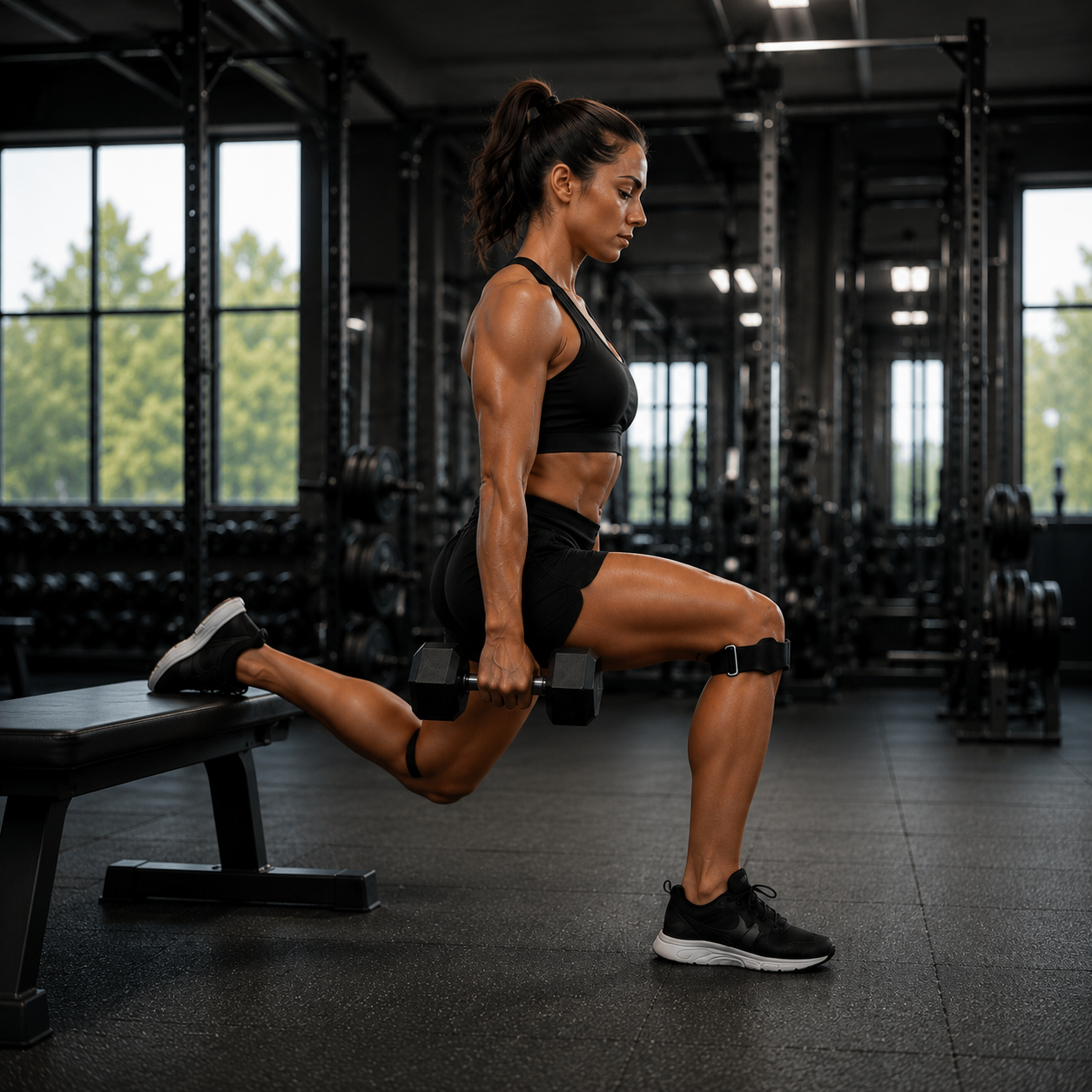
Strength training is one of the best things you can do for your muscles, your athletic performance, and your joints over time. And yet plenty of people feel knee discomfort during workouts and start wondering if lifting is actually the problem. In reality, strength training done right tends to protect the knee far more than it harms it. Everything comes down to understanding how the joint works and training with solid technique.
The knee doesn't rely on bones and ligaments alone for stability. Every squat, lunge, or step up asks your quads, hamstrings, glutes, calves, and core to work as a unit. When those muscles are balanced and strong, force gets spread efficiently through the whole leg. When one of them is lagging behind, the knee usually ends up compensating, absorbing more than its fair share.
One mistake shows up constantly in gyms: adding weight too fast. Muscles adapt quickly, but tendons, ligaments, and cartilage need much more time to catch up. Jumping from one load to the next without giving those tissues room to adapt puts extra pressure on the knee and raises the risk of irritation or injury. Progressing gradually gives your body the time it actually needs to get stronger while keeping the joints intact.
Technique matters just as much. During squats and lunges, the knees should track naturally in line with the feet rather than caving inward. Good alignment lets the forces of the movement spread evenly across the joint. Small technical fixes often make a big difference, both for comfort and for performance.
Mobility plays a bigger role than people expect. Stiff ankles force the knees to compensate during a squat. Tight hips throw off movement patterns through the entire lower body. Keeping good mobility in the ankles and hips leads to smoother movement and takes unnecessary pressure off the knee during training.
Hip strength gets overlooked constantly, but it's genuinely important. The glutes control the position of the femur as you move. When they're weak, the knees tend to drift inward during exercises, adding strain to the kneecap and the tissue around it. Stronger hips mean better stability through the whole lower body, and knees that move more efficiently under load.
Warming up is not optional, whatever people tell themselves. Preparing the muscles and joints before lifting increases blood flow, opens up range of motion, and switches on the muscles that stabilize the knee. Even five to ten minutes of light movement paired with some dynamic mobility work can change how your knees feel for the rest of the session.
Recovery deserves the same attention as the training itself. Muscles rebuild and grow stronger during rest, and so do the connective tissues supporting the knee. Sleep, hydration, solid nutrition, and actual rest days all add up to healthier joints and better performance long term. Skip recovery long enough and fatigue builds up quietly, changing how you move and putting extra stress on the knees without you noticing.
It's worth knowing the difference between muscle fatigue and joint pain too. Feeling your quads burn through a set of squats is completely normal. Sharp, persistent, localized pain inside the knee joint is not. Pushing through that kind of pain usually makes things worse and slows down recovery. Listening to your body and adjusting the plan when needed is smart training, not a lack of discipline.
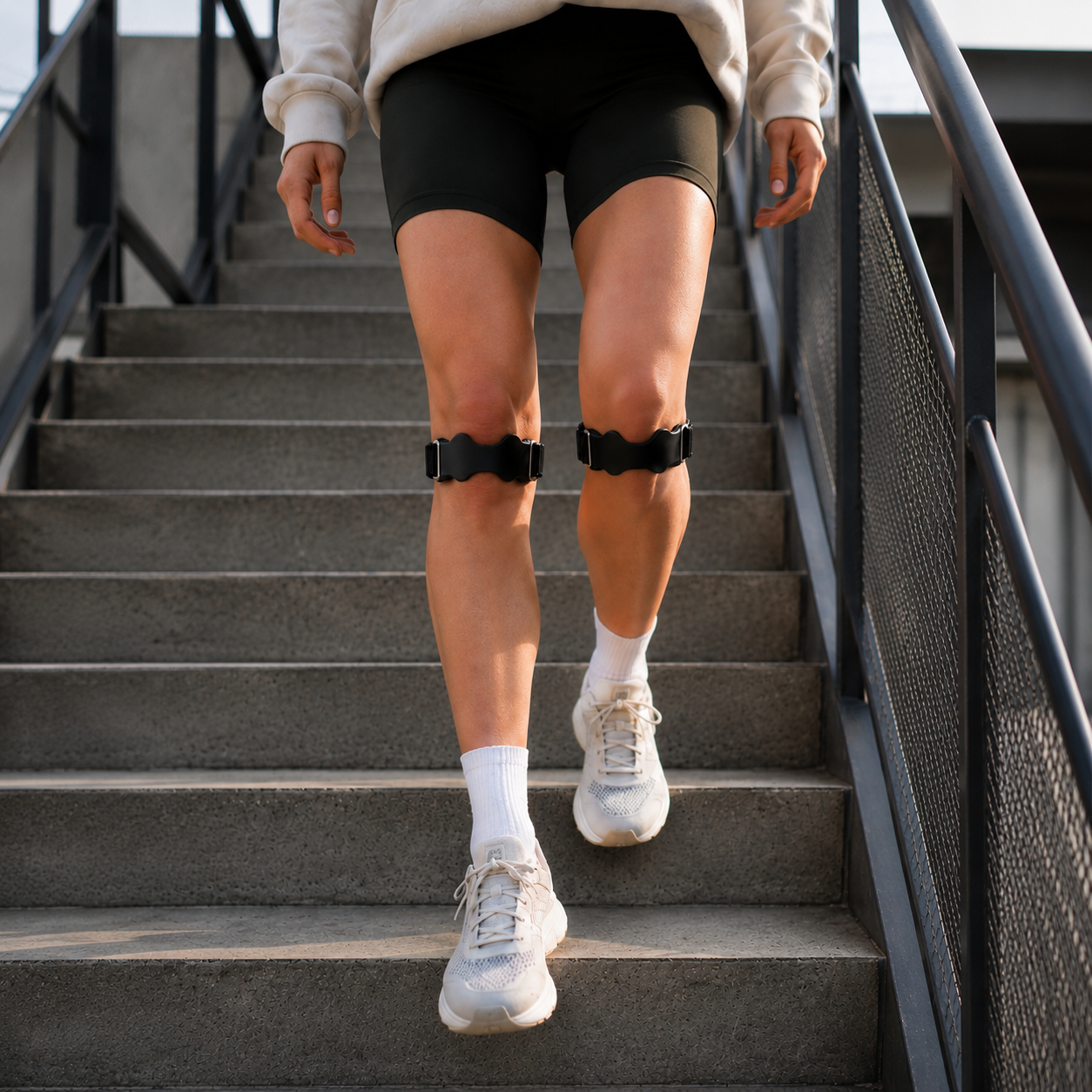
Some athletes wear a supportive knee brace during heavier sessions, especially coming back from an old injury or dealing with mild instability. A well designed brace adds compression, improves proprioception, and brings a bit of extra confidence under heavy loads, without replacing good technique or progressive training.
Maybe the biggest principle of all is consistency. Protecting your knees isn't about avoiding hard exercises. It's about doing them with control, the right load, and good movement quality. Building strength slowly creates muscles, tendons, and ligaments that can handle both training and everyday life.
Healthy knees come from smart training over time, not from avoiding hard work. Focus on good form, balanced muscle development, real recovery, and gradual progression, and you'll keep building strength while cutting the risk of knee pain. Done right, strength training remains one of the best long term investments you can make in your knees.


Leave a comment
This site is protected by hCaptcha and the hCaptcha Privacy Policy and Terms of Service apply.