

Running is one of the best things you can do for your cardiovascular fitness and overall health. And yet for a lot of runners, beginners and veterans alike, knee pain is one of the top reasons a run gets cut short or a training block gets interrupted. It's tempting to assume running itself wrecks your knees, but research points elsewhere. More often than not, the joint is simply being overloaded or asked to move inefficiently.
Every time your foot hits the ground, your knee absorbs forces that can reach several times your body weight. Normally, the muscles, tendons, cartilage, and ligaments around the joint share that load without much trouble. But once something in that system falls out of balance, the stress on the knee climbs fast, and discomfort follows.
One of the most common culprits is patellofemoral pain syndrome, better known as "runner's knee." This happens when the kneecap stops moving smoothly in its groove as the knee bends and straightens. Instead of gliding, the patella creates extra friction against the cartilage underneath, causing pain around or behind the kneecap. It tends to show up more on longer runs, downhill stretches, or when climbing stairs right after a workout.
Training errors show up constantly too. Ramping up weekly mileage too fast, throwing in speed sessions without preparation, or running hard without enough recovery all put more strain on the knee than the supporting tissue can handle. Muscles adapt quickly, but tendons, cartilage, and connective tissue need far more time. Skip the gradual buildup and these structures get irritated before they've had any chance to catch up.
Muscle weakness plays a role as well. Strong quads, glutes, hamstrings, and calves stabilize the leg with every stride. When they're underdeveloped or simply tired, the knee ends up absorbing more of the impact on each landing. Weak hips especially can let the knee drift inward while running, adding stress with every one of thousands of repetitive steps.
Running form matters too. Overstriding, landing with the foot too far ahead of the body, increases braking forces and loads the knee more than it should. Picking up your cadence with slightly shorter, quicker steps often reduces that load and smooths out the whole stride, without forcing an unnatural change in how you run.
Footwear deserves a mention as well. Cushioning breaks down over time, and running shoes gradually lose their ability to absorb impact. Shoes that no longer support you properly, or were never quite right for your foot and stride, change how force travels up your leg. Replacing worn out shoes at the right time helps keep that support consistent.
Mobility matters just as much. Stiff ankles or hips change how the whole lower body moves while running. If one joint can't move efficiently, the knee usually picks up the slack. Regular stretching and dynamic mobility work help the body spread forces more naturally through the entire chain.
Recovery counts for just as much as the running itself. Every run creates tiny stress in the muscles and connective tissue that triggers adaptation during rest. Without enough sleep, good nutrition, hydration, and actual rest days, that repair process falls behind. Fatigue builds up quietly, running mechanics shift, and knee discomfort becomes more likely.
Feeling a bit sore after a tough run is normal, especially when you're trying something new or pushing the intensity. Sharp, persistent, or worsening pain is a different story. Swelling, instability, locking, or pain that changes the way you run are signs it's time for a professional to take a look before continuing hard training.
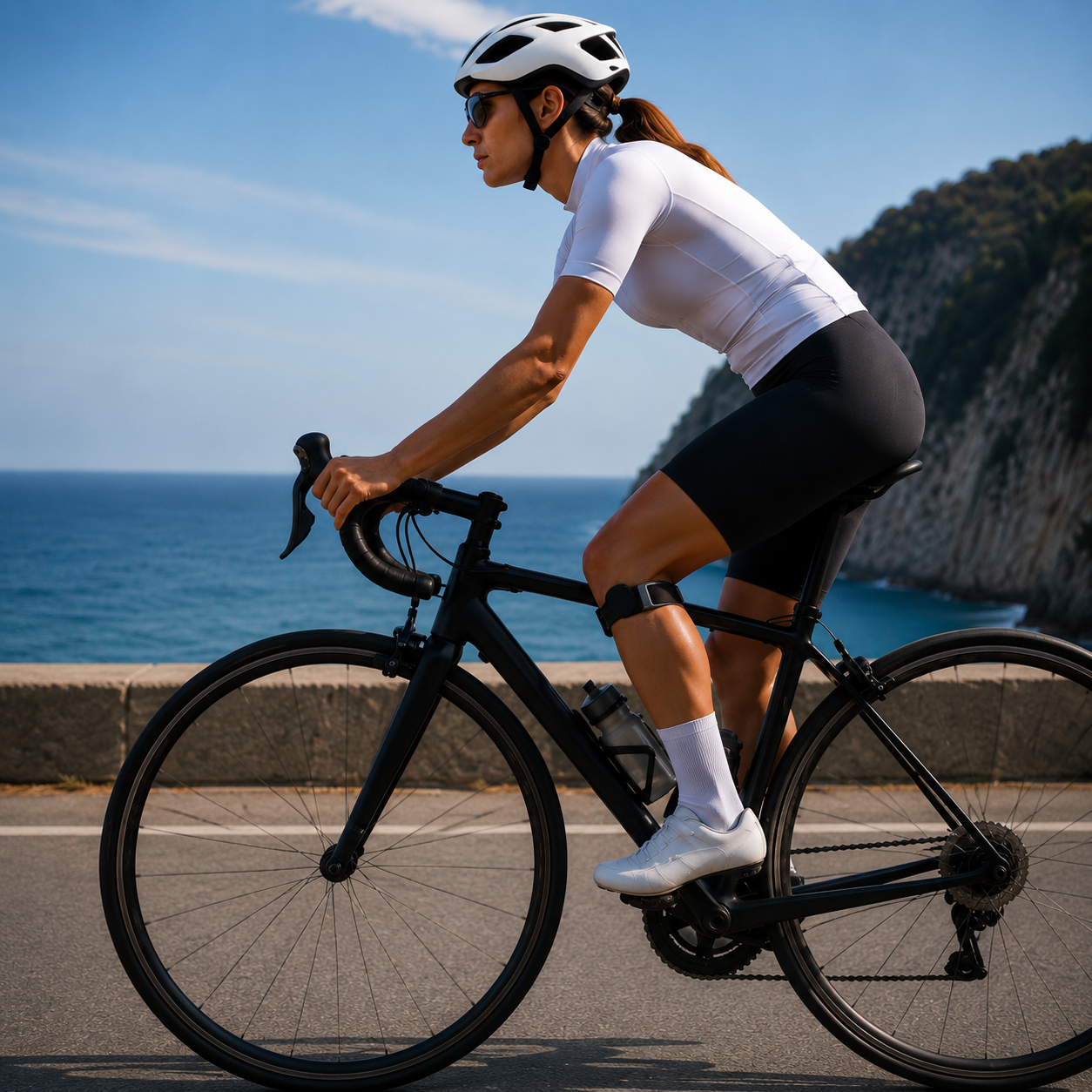
Plenty of runners also find real comfort in supportive gear during training. A properly fitted knee strap offers gentle compression and better stability, and for many runners that translates into more confidence to stay active. It's not a replacement for good training, strength work, or medical care when needed, but it's a solid piece of a bigger approach to knee health.
Running doesn't have to be the enemy of healthy knees. Paired with progressive training, good technique, real recovery, and consistent strength work, it can build stronger muscles and healthier joints over the long run. Understanding why the pain shows up in the first place is the first step to preventing it, and to enjoying the miles ahead with a lot more comfort and confidence.


Leave a comment
This site is protected by hCaptcha and the hCaptcha Privacy Policy and Terms of Service apply.