
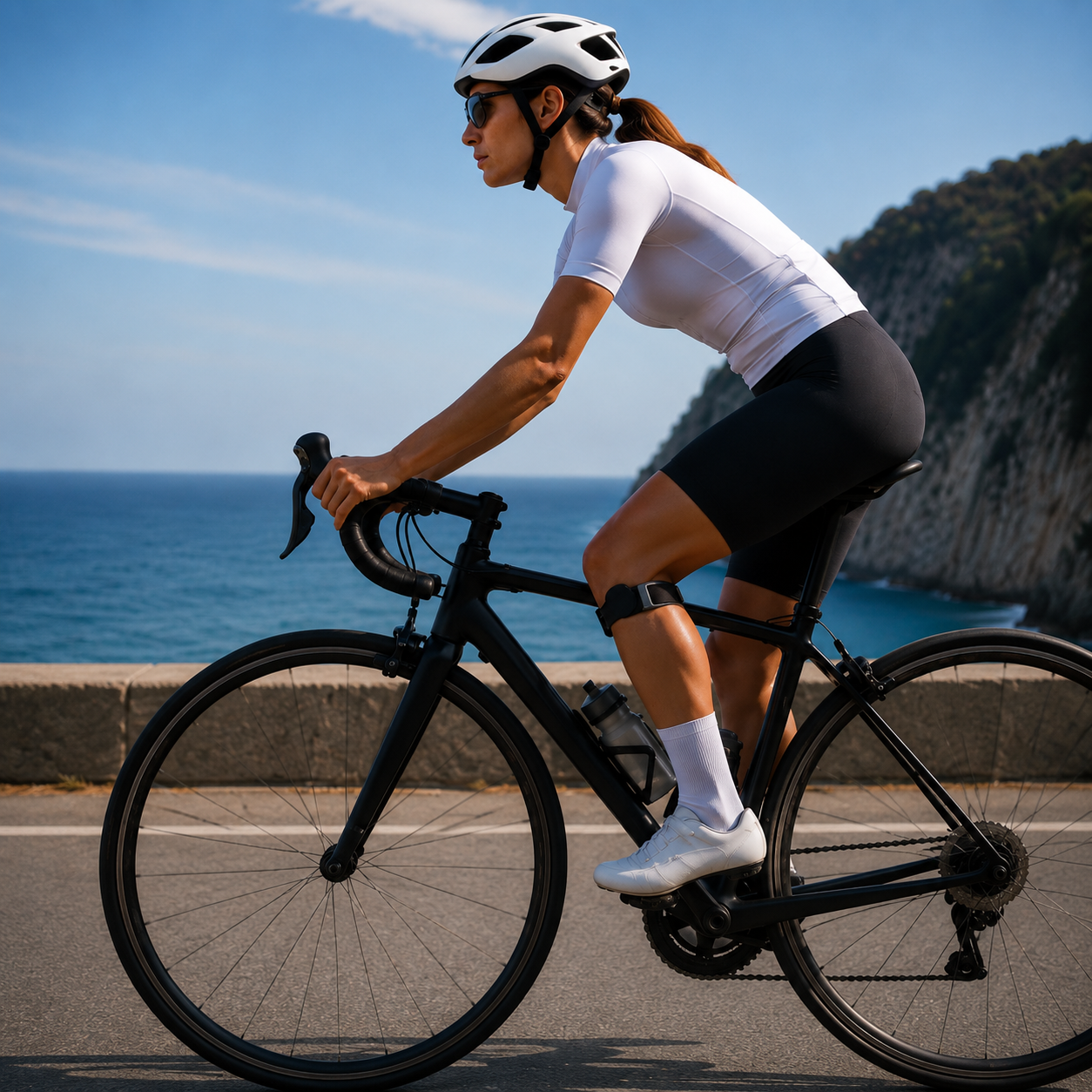
Cycling gets recommended as one of the most knee friendly forms of exercise out there, and it earns that reputation. Unlike high impact activities like running or jumping, cycling builds leg strength and cardio fitness while putting relatively little stress on the joints. Whether you're riding for fun, commuting, or training for something longer, cycling is a solid way to stay active and support your knees over the long haul.
The biggest advantage is the smooth, repetitive motion. As you pedal, the knee moves through a controlled range without absorbing the impact of landing on hard ground over and over. That's exactly why cycling shows up so often for people recovering from injury, managing mild knee discomfort, or just looking for a joint friendly way to get fitter.
That said, low impact doesn't mean risk free. Knee pain can still creep in if the bike isn't set up right or if training load ramps up too fast. Something as small as a saddle sitting too low or too far forward changes the angle of the knee on every pedal stroke. And since that motion repeats thousands of times per ride, even a tiny misalignment eventually turns into irritation.
Bike fit might be the single biggest factor in preventing knee pain. The right saddle height, proper cleat position, comfortable reach to the handlebars: all of it lets the legs move naturally and efficiently. Get the fit right and the workload spreads evenly across the muscles and joints instead of piling up on the knee.
The muscles around the knee matter a lot too. Strong quads, hamstrings, glutes, and calves keep things stable through every pedal stroke. Balanced muscle development means power gets generated efficiently instead of loading up the joint directly. Adding strength training alongside your riding helps both performance and long term knee health.
Cadence deserves attention as well. A lot of cyclists ride in gears that are too heavy, forcing the knees to grind out excessive force on every revolution. A smoother cadence with lighter gears usually takes pressure off the joint and makes pedaling more efficient, especially on long rides or steep climbs.
Recovery shouldn't get skipped either. Long rides tire out the muscles supporting the knee, and without enough time to bounce back, movement quality slowly slips. Sleep, hydration, proper food, and actual rest days let the body repair itself and keep adapting as the training load grows.
Stretching and mobility work help too. Tight hips, quads, or hamstrings change pedaling mechanics and add tension around the knee. Regular mobility work keeps the movement smooth and cuts down on stiffness after long hours in the saddle.
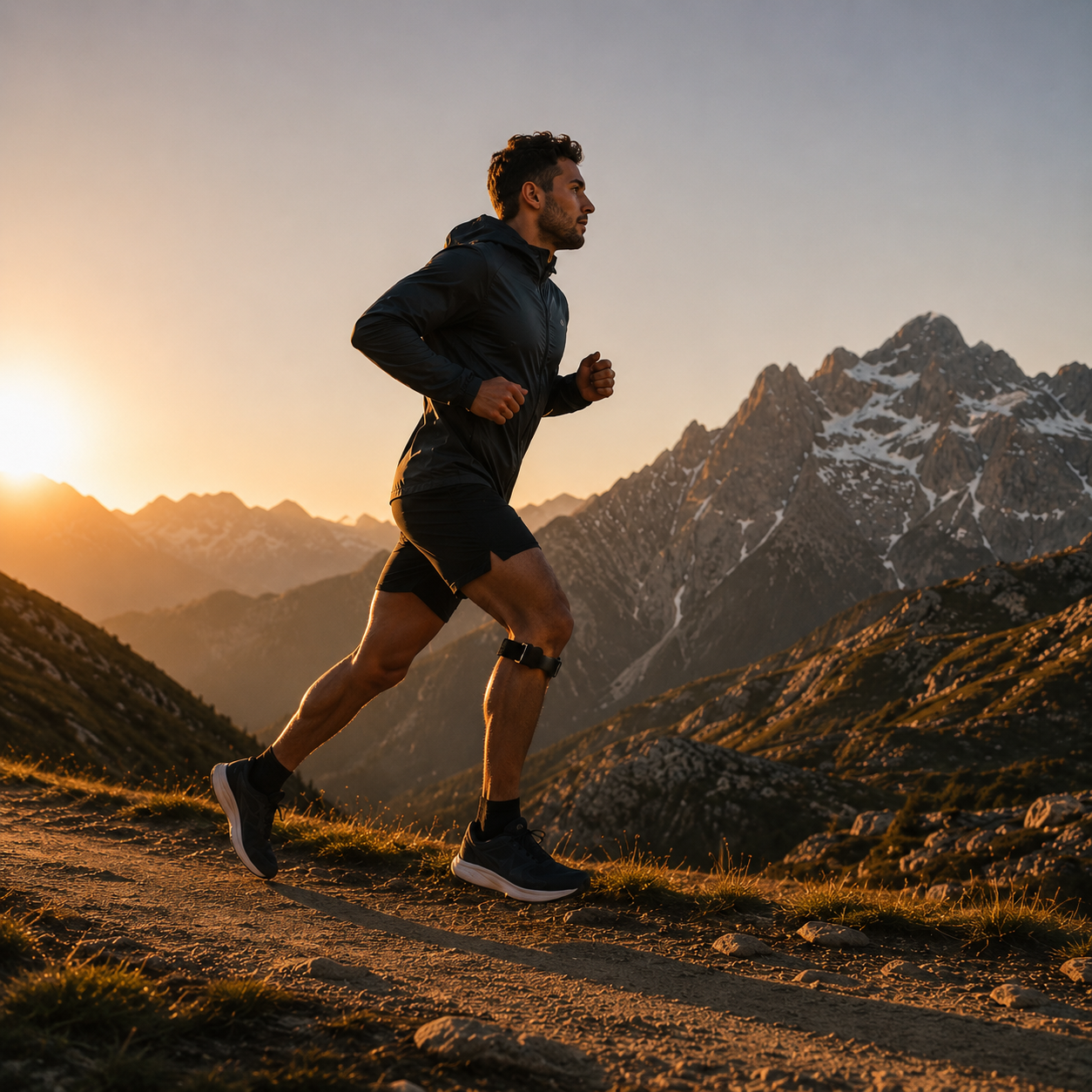
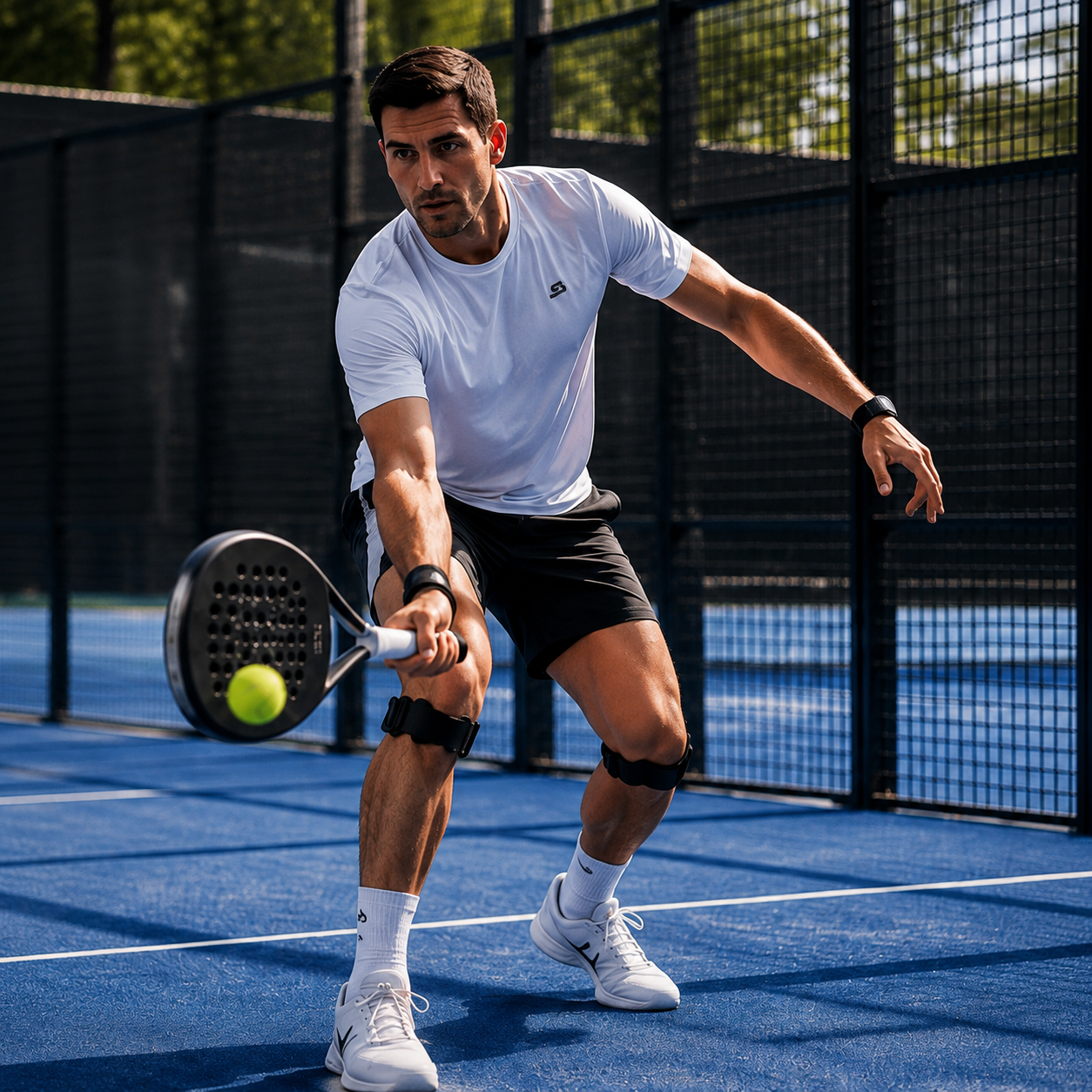
Some riders wear a supportive knee brace on long rides or when coming back from an injury. Gentle compression and a bit of extra stability can boost confidence and comfort without getting in the way of a natural pedal stroke. It's not a substitute for proper bike fit or strength training, but it's a solid addition for riders dealing with occasional discomfort.
Watch for warning signs along the way. Some muscle fatigue after a hard ride is completely normal. Persistent pain, swelling, or discomfort that gets worse while pedaling is not, and shouldn't be brushed off. Catching small issues early usually keeps them from turning into bigger injuries that pull you off the bike for good.
Done right, cycling stays one of the best ways to keep your knees strong and healthy. Get the bike fit sorted, strengthen the muscles supporting the joint, build up training gradually, and prioritize recovery, and you'll rack up thousands of comfortable miles while protecting your knees for whatever comes next.

Leave a comment
This site is protected by hCaptcha and the hCaptcha Privacy Policy and Terms of Service apply.