

When people picture improving their knee health, they usually imagine intense workouts, complicated rehab programs, or expensive equipment. In reality, one of the most effective things you can do for your knees is also one of the simplest: walking. A short morning stroll, an evening walk with the dog, a lap around the neighborhood, regular walking can do a lot for keeping your knees strong, mobile, and pain free.
Walking counts as low impact, meaning it puts far less stress on the joints than running or jumping does. Instead of hitting the knees with high impact forces over and over, walking lets the joint move through its natural range while gently building the muscles that support it. That combination makes it a great fit for pretty much any age or fitness level.
One of the best things walking does is nourish the joint itself. Cartilage doesn't have its own blood supply the way muscle does. Movement is what circulates the fluid inside the joint, carrying nutrients to the cartilage and keeping it healthy. Regular walking keeps that process going, and over time that can mean better joint function.
Walking also strengthens the muscles that stabilize the knee. Every step fires up the quads, hamstrings, calves, glutes, and core, all working together to keep alignment solid and absorb the forces of each step. As those muscles get stronger, they take on more of the workload that would otherwise land directly on the knee.
Keeping a healthy body weight matters a lot for knee health, and walking is one of the easiest ways to stay consistently active. Even a modest amount of weight loss reduces the pressure on the knees during everyday movement. Over months and years, that lighter load can mean real improvements in comfort and mobility.
Good walking form makes a difference too. Standing tall, looking ahead, keeping a natural stride, wearing shoes that actually support you: all of it adds up to smoother movement. Comfortable shoes with proper cushioning spread out impact more evenly and take unnecessary stress off the knees.
Walking is gentle, but ramping up too fast can still cause problems. Coming back from a long break or an injury means building the routine slowly. Adding distance or pace little by little lets the muscles, tendons, and joints adapt safely instead of getting overloaded.
A lot of people also love walking for reasons beyond the physical. Time outdoors, especially in a park or somewhere green, tends to lower stress and lift mood. Walking with a friend, a family member, or the dog makes it easier to actually stick with it as part of the day.
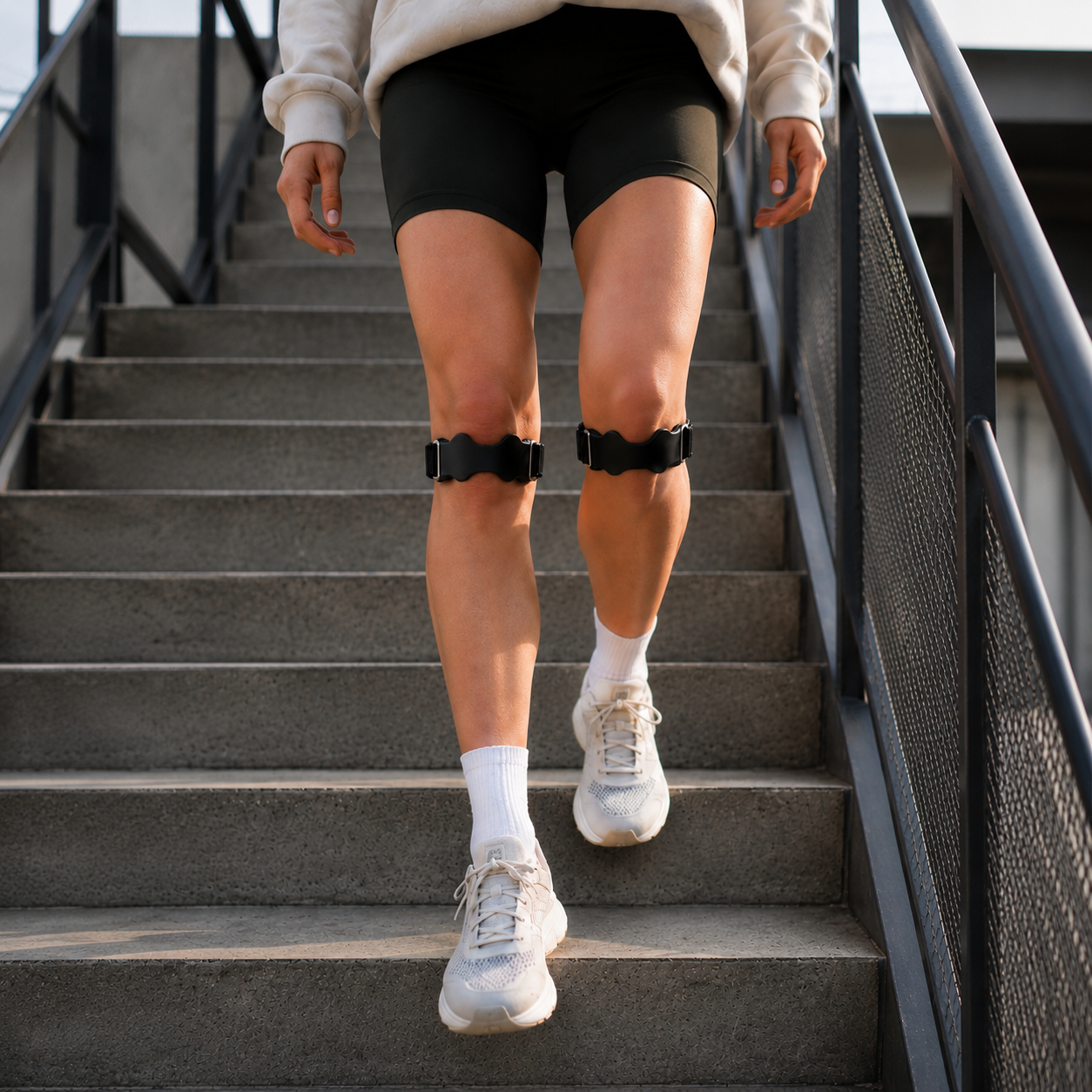
For anyone dealing with occasional knee discomfort, a supportive knee brace during longer walks can add stability and confidence. Gentle compression helps with comfort while you stay active. It's never a replacement for strengthening work or medical advice when needed, but it's a useful addition for managing mild knee pain.
Pay attention to how your knees actually respond. Some muscle fatigue after a long walk is completely normal. Persistent pain, swelling, or discomfort that keeps getting worse is not, and it shouldn't be ignored. Catching that early and adjusting your activity often prevents a small issue from turning into something bigger.
Walking looks simple, but the long term payoff is real. Move regularly, strengthen the muscles supporting your knees, keep your mobility up, and build good daily habits, and you protect your joints while improving your quality of life overall. Sometimes the best exercise for your knees isn't the most intense one. It's just taking the next step.


Leave a comment
This site is protected by hCaptcha and the hCaptcha Privacy Policy and Terms of Service apply.